
Puff Puff (Bofrot)
 Jump To Recipe
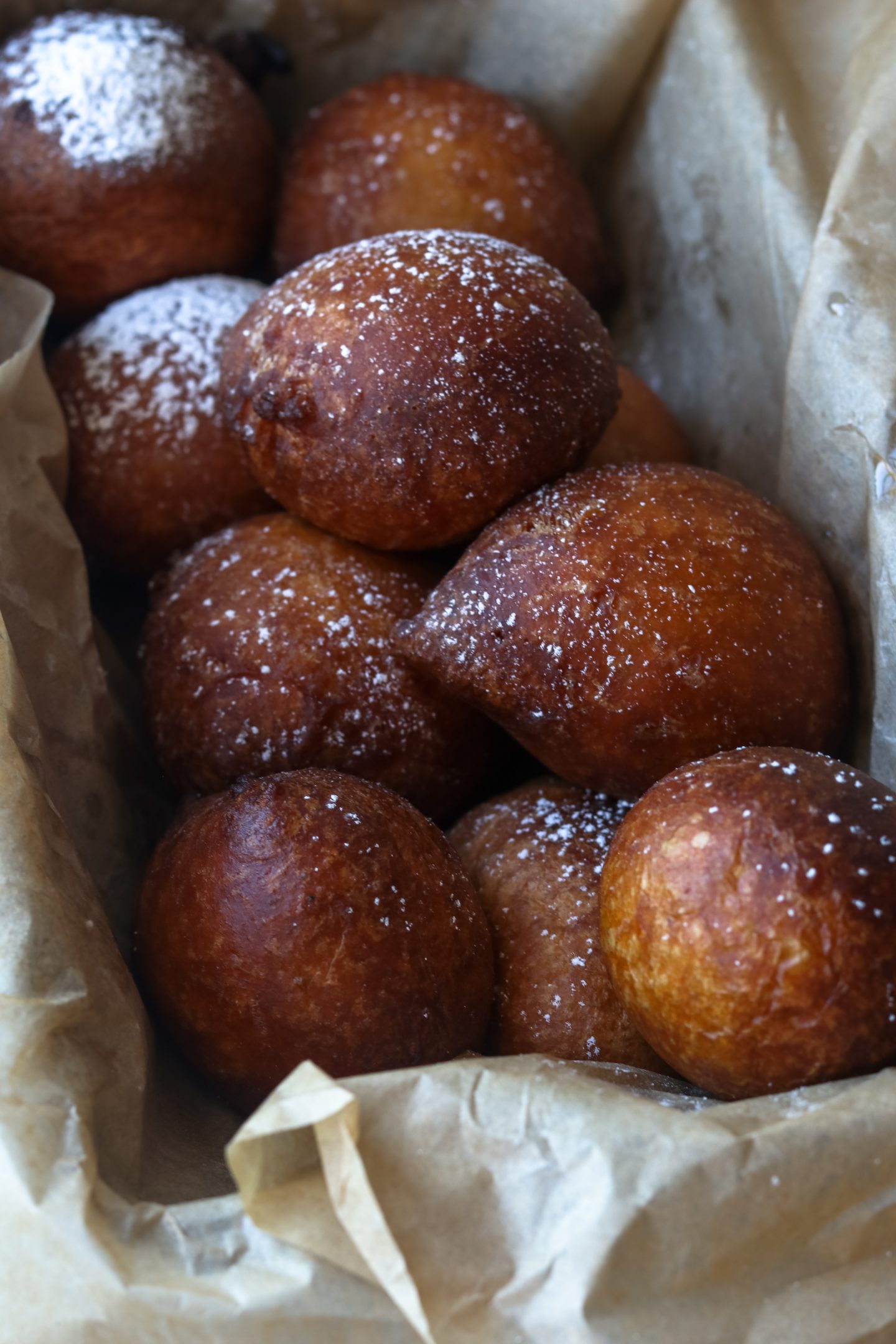
Puff Puff, also known as Bofrot, is a soft and fluffy fried dough snack that is loved across many African homes.
It’s simple to make and perfect for any time of the day, whether as a quick treat or something to share with family and friends. Light, slightly sweet, and golden on the outside, Puff Puff has a comforting taste that feels both familiar and special.
If you’re looking for an easy homemade snack that everyone will enjoy, this recipe is a great place to start.
Check out a few other favorites on the blog:
Why You’ll Love This Recipe
- This recipe uses basic steps that are easy to follow, even if you are new to cooking.
- Each puff puff comes out light and fluffy on the inside with a perfectly golden, slightly crisp outside.
- You can enjoy it as a snack, dessert, or even serve it at gatherings and special occasions.
- Made with simple ingredients, this recipe is budget friendly and still delivers great taste every time.
Key Principles for Perfect Bofrot
Making a soft, fluffy Bofrot is all about understanding a few simple principles. Once you get these right, the process becomes much easier:
1. Start with Active Yeast
Yeast is what gives Bofrot its light, airy texture. Make sure your yeast is fresh and properly activated in lukewarm water before mixing. The mixture should become foamy and bubbly.

2. Gather and Mix Your Dry Ingredients Properly
Combine your flour, sugar, salt, and nutmeg in a large mixing bowl. Mix well so everything is evenly distributed throughout the flour.

3. Understand the Right Batter Consistency
After combining the yeast mixture with the dry ingredients, you should have a thick batter, not a firm dough. The batter should be smooth, sticky, and slightly stretchy. If it is too loose, it may spread too much in the oil. If it is too thick, the Bofrot may turn out dense or heavy.

4. Don’t Rush the Rise
This is one of the most important steps. After mixing, the batter needs enough time to rise until airy and bubbly. This creates the light, fluffy texture Bofrot is known for.


5. Fry at Medium Heat
Oil temperature can make or break this recipe.
If the oil is too hot, the outside browns too quickly while the inside stays raw. If the oil is too cool, the Bofrot absorbs too much oil and becomes greasy.

6. Look for Deep Golden Brown
Perfect Bofrot should be evenly golden brown on the outside with a soft, fluffy interior.

Substitutions & Variations
- Adjust the sugar to your taste. Add more if you like it sweeter, or reduce it for a lighter flavor.
- For extra taste, you can mix in a little nutmeg, cinnamon, or vanilla. This gives the puff puff a warm and rich flavor.
- You can make them small for bite sized snacks or slightly bigger for a more filling treat. The shape does not have to be perfect.
Serving Suggestions
- Enjoy it warm and fresh: Puff puff tastes best right after frying. Serve it warm when it is soft on the inside and slightly crisp on the outside for the perfect bite.
- Pair with your favorite drinks: It goes very well with tea, coffee, or even a cold drink. This makes it a great snack for breakfast or evening time.
- Add a simple topping if you like: You can lightly dust it with sugar or serve it with a dip on the side for extra flavor, while still keeping its classic taste.

Expert Tips / Notes for Best Results
- Types of Vanilla: This bofrot recipe uses pure vanilla extract , not vanilla essence or imitation vanilla , which gives a cleaner, more natural vanilla flavor that enhances the aroma without overpowering the dough.
- Oil temperature is key: Keep your oil at medium heat (350–365°F) . If the oil is too hot, the bofrot will brown quickly on the outside while staying raw inside. Too cool, and they’ll absorb oil and turn greasy.
- Imperfection is authentic: Traditional bofrot is not perfectly round uneven shapes are normal and expected. Flavor and softness matter more than appearance.
How to Store Bofrot
- Room Temperature: Bofrot is best enjoyed fresh and warm. If needed, store cooled bofrot in an airtight container at room temperature for up to 24 hours .
-
Refrigerator: Refrigeration is not recommended, as it dries out the bofrot and alters its texture.
Frequently Asked Questions
1. What is the difference between bofrot and puff puff?
Although similar, bofrot is the Ghanaian version of puff puff and is typically less sweet, softer inside, and often flavored with nutmeg. Other West African versions may vary in sweetness, texture, and seasoning.
2. Why is my bofrot hard or dense?
Hard or dense bofrot is usually caused by inactive yeast, overly thick batter, or oil that is too hot. Proper yeast proofing and maintaining the correct oil temperature are key to achieving soft, fluffy bofrot.
3. Can I make bofrot ahead of time?
Bofrot is best eaten fresh, but it can be made a few hours ahead and gently reheated in the oven or air fryer before serving.
4. What do you eat bofrot with?
Bofrot is traditionally served with koko (porridge) in Ghana. It also pairs well with tea, coffee, or can be enjoyed on its own with a light sprinkle of sugar.


0 comments