
How to Blend and Soak Fruits for Guyanese Black Cake
 Jump To Recipe
Recipe Highlights
⭐ Prep Time: 15 minutes
⭐ Cook Time: 15 minutes
⭐ Soak Time: 6-12 months (traditional method) or 10-15 minutes stewed (last-minute method)
⭐ Yield: About 4.5 lbs of mixed fruits
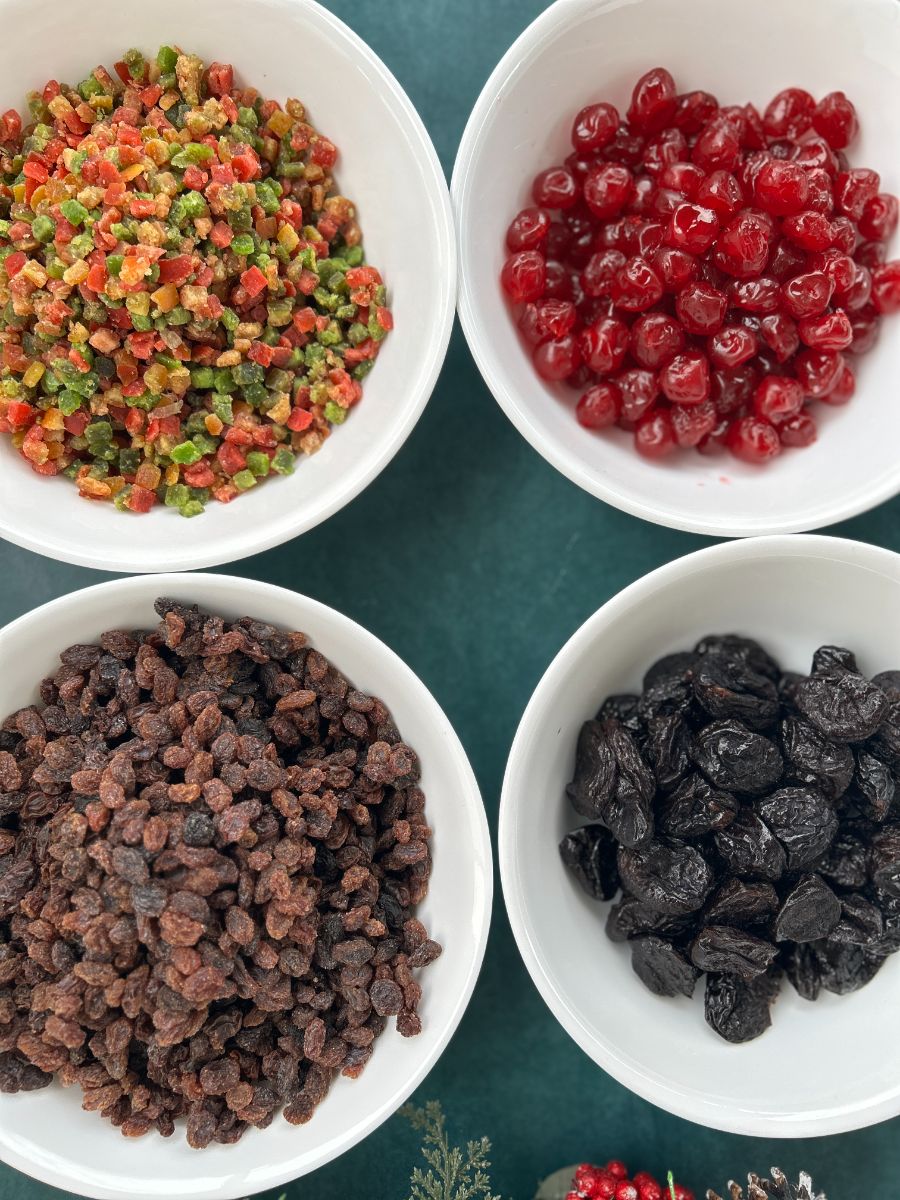
⭐ Key Ingredients: Raisins, prunes, cherries, mixed peel, port and blackberry wine
⭐ Who This Recipe Is For: Anyone preparing authentic, deeply flavorful Guyanese Black Cake fruit mix for the holidays.
⭐ Variations: Use the stewed method if short on time; add peanuts for extra richness if desired.

Guyanese Black Cake, often simply called black cake, is a treasured Caribbean holiday dessert served at Christmas, weddings, and special family gatherings. Across the Caribbean, it is also known as Christmas cake, fruitcake, or wedding cake, with every island adding its own unique touch. Making black cake always takes me back to my childhood in Guyana. I remember watching my Granny Irma patiently mill her fruits by hand before soaking them in wine for weeks.
This year, as I prepared my own fruit mixture, I called her and discovered she was soaking her fruits on the very same day...still using her trusted hand mill despite all my attempts to convince her to switch to a blender. Moments like these remind me that Guyanese Black Cake is more than dessert; it's a cherished family tradition passed from one generation to the next.
Caribbean families each have their own way of soaking fruits, using sweet wines, dark rum, or a combination of both to create a rich, bold flavor. While some people blend peanuts into the fruit mixture for added richness, I leave them out for a smoother, more traditional Guyanese black cake.
If you loved this recipe, be sure to check out some of my other Guyanese favorites:
- Grandma Irma’s Guyanese Black Cake Recipe
- Fluffy Caribbean Fried Bakes with Saltfish
- Soft, Flaky Guyanese Oil Roti (Paratha) Guide
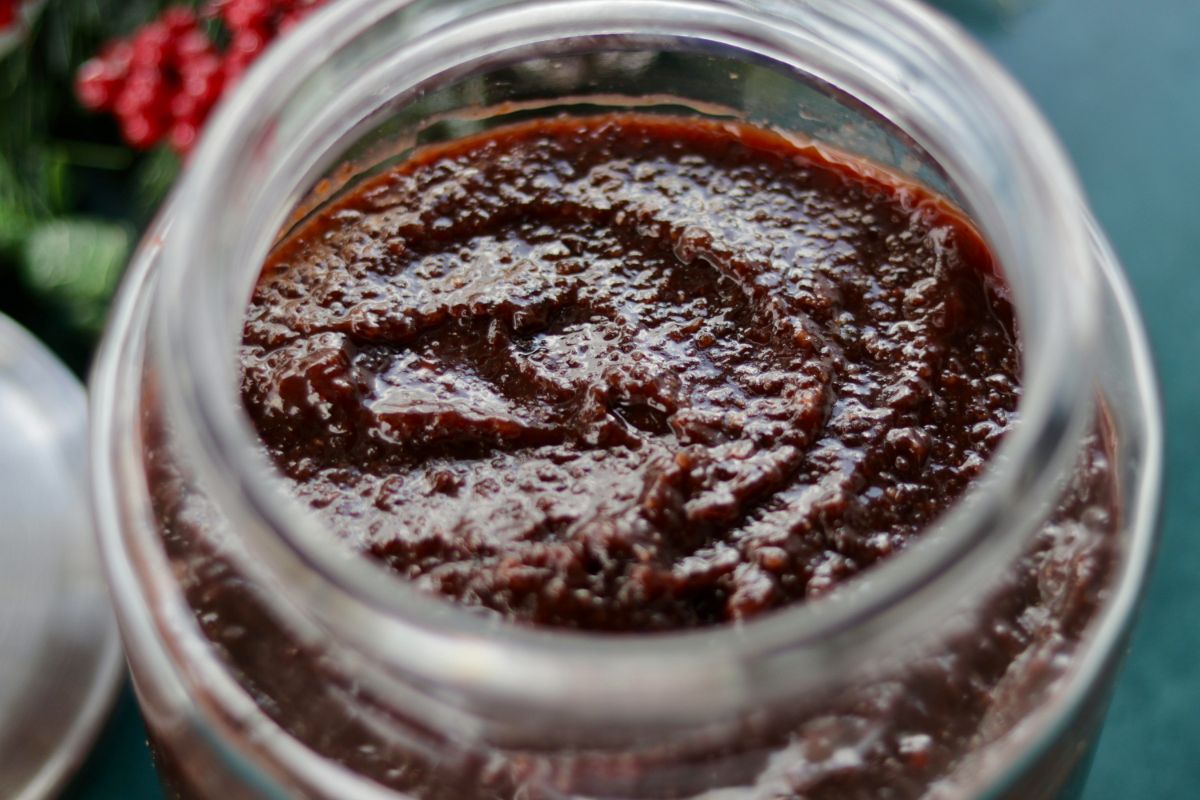
Two Ways to Soak Fruits for Black Cake (Traditional vs. Stewed Method)
Soaking the fruits is the key to achieving a rich, moist, and flavorful Caribbean Black Cake. Whether you prepare them months in advance or just a few weeks before Christmas, these two methods will give you deep color, a soft texture, and that iconic Black Cake flavor.
1. Traditional Cold-Soak Method (Best for Early Preparation)
The classic Caribbean method: blend your choice of fruits then soak them in wine or rum for weeks to months .
How it works
-
Fruits slowly absorb alcohol over time.
-
Flavors deepen and mature naturally.
-
The alcohol preserves the mixture as it ages.
Why people love it
-
Produces the richest, most balanced flavor .
-
Creates a smooth, pudding-like Black Cake texture.
-
Ideal for bakers who prep well in advance.
If you plan ahead, this method gives you the most traditional results.
2. Stewed Fruit Method (Best for Last-Minute Preparation)
Didn’t soak your fruits early? This shortcut delivers fully infused, flavorful fruits in minutes instead of months.
Why stewing works
-
Heat opens the fruit fibers , helping them absorb wine quickly.
-
Warm fruit allows wine to penetrate deeper and faster .
-
Stewing helps the flavors melt together , creating:
-
deeper color
-
smoother texture
-
richer, concentrated flavor
-
It takes only 15 minutes on low-medium heat.
-
Produces a velvety fruit paste that blends beautifully into the batter.
This method is perfect when you’re baking on a shorter timeline.
Which Method Should You Choose?
-
If you start early, use the traditional method for the most authentic, mellow flavor.
-
If you’re short on time: use the stewed method for fast absorption and rich, fully infused fruits.
Both techniques create a moist, aromatic, Caribbean-style Black Cake with deep flavor and beautiful color.
Best Storage Container For Black Cake
-
Avoid metal containers; alcohol can react with metal over time (if the lid is metal that's fine).
-
Glass is ideal because it locks in aroma and prevents staining.
Room Temperature Storage
Perfect if you’re soaking fruits for weeks to months .
-
Store the fruits in an airtight container at room temperature .
- A Pantry
- A kitchen cabinet
- A cupboard away from heat
-
Temperature should stay under 75°F (24°C) . No direct sunlight light breaks down the alcohol and can change the flavor.
How long is room-temp storage safe?
-
With enough alcohol, fruits can safely sit for 6–12 months at room temperature.
-
Some Caribbean families also soak theirs for a year or more.

Prefer to watch instead of reading this delicious recipe? check out this video for a quick and easy guide:


0 comments